When your temper is up, everything seems wrong and bad, don’t they?
Today, when we were kinda running out of time to fetch my mom to pay respects to my deceased dad, I drove passed first of two places to buy food and flowers. The first place is just a stone throw away from mom’s place and I thought it should be the second (last) stop while you think otherwise as you yelled shouldn’t we be going here first.
As the second stop happens to be a few hundreds metres away which turn out to have a U turn if I were to made to go back to the first stop.
Without hesitation, I made a U turn instead of going to the stop which is further away. This annoyed you further and went crazy with more words of insults and condescending.
All these, to me, were unnecessary as we were on time and in fact, you had time to do some shopping.
Recent studies have revealed that mindfulness is a useful anti-depressant medication, relieving mounds of anxiety, stress, and depression. In one study, Lancet researchers sampled a group of 424 UK adults who were at high risk of experiencing further depression for study. Half of the adults were put in a mindfulness-based cognitive therapy where they were guided through meditation and mindfulness methods while the other half was placed on medication for two years. Later, the researchers compared the progress of the two groups.
Then, the progress of each cluster was assessed. The study found that a similar number of individuals from both groups had relapsed. Experts explained that mindfulness provides long term useful skills hence putting you in control of your life unlike relying on anti-depressants.
Mindfulness is the cognitive ability to pay close attention to your feelings at the moment without judgment, fostering emotional resilience. It also helps you to develop positivity in life by helping concentration in class, work, and even home.
With the benefits of mindfulness now known in medical settings, perhaps you might want to learn how to practice this technique to relieve anxiety and stress. The techniques are easy to follow, and you do not need any special equipment; you just need to a few minutes.
The following are ways to practice mindfulness to reduce stress and improve concentration.
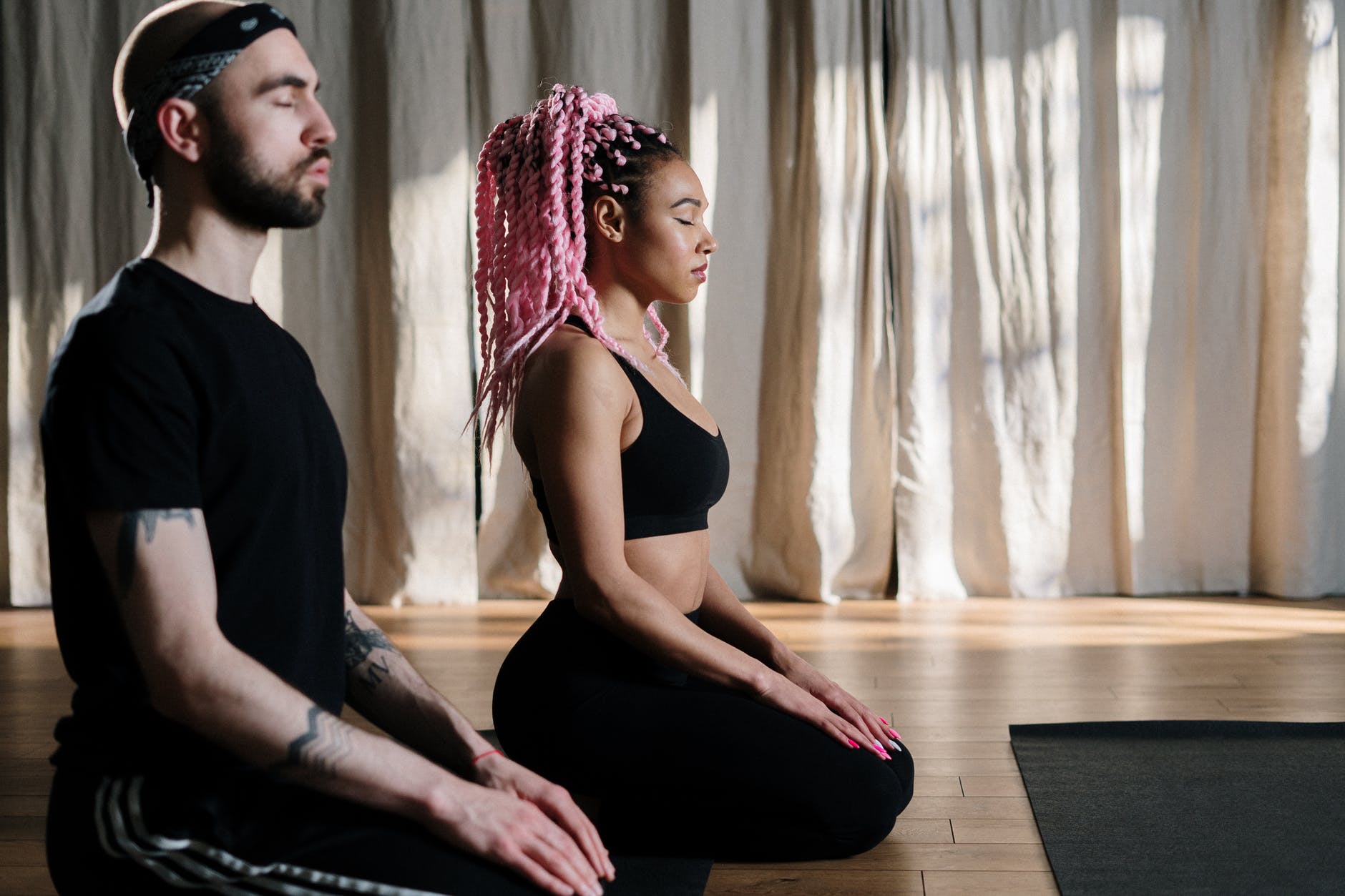
Spend at least fifteen minutes of your time in a quiet and open environment for meditation and yoga. Meditation helps you to bring your full awareness to both your emotional and physical sensations as you try various poses. These feelings will bring about relieved tension and even reduced pain in your body, helping you to relax.
Like yoga, this technique involves spending your time in a secluded place, sitting in a comfortable position without feeling disturbed. During the exercise, you close your eyes and focus your concentration to your toes. Try to bring close attention to every part of your body starting from your toes, feet, ankles, calves, knees, hands and even up to your head.
During your mealtime, find a serene place where you will not be distracted. As you take your meals, try to eat slowly while you also engage your senses of taste, smell, sight, touch, and sound. Try to finish all your meal by chewing and swallowing slowly.
Mindful or conscious breathing is another great way to eliminate stress and tension. Take at least five minutes in a convenient location, like the shower or subway and shift your concentration to breathing in and out. To concentrate during the exercise, you can pick one aspect to focus on.
Nothing else has the potential to boost your relaxation the way mindfulness can. Give it a try; you might be astonished what it can do for you.
Greg Thurston spent more than 13 years in producing this program to make mindfulness easily practice by anyone to remove barrier, stigma and difficulties that often surround mindfulness practices.
This program comes with 10 special mindfulness audio sessions that combine guided mindfulness scripts, imagine prompts and ultra-relaxation music.
It also comes with 181 pages Seven Minute Mindfulness Guidebook with lots of practical advise to boost the mind and improve our life.
75 Essential Meditations to Reduce Stress, Improve Mental Health, and Find Peace in the Everyday
From the Publisher-
A few sample meditations from the book:
Breathing
The body is always breathing, and the breath is constantly moving. Your breath is not only the best place to start; it’s a constant you can return to any time you need a little centering.
In this first practice, you will gently find the breath in the body. There is nothing to figure out, no problems to solve, and nothing special you need to do. Constantly return to your direct experi- ence of the body breathing. You are training the mind to be with one experience without distraction.
Functional
Cooking or preparing a meal is an opportunity to form a loving connection with your food. As you prepare a meal, you can cultivate mindfulness of your body and mind as well as the food you will be eating. Whether you’re making a quick meal or preparing a feast, use this exercise to ground yourself in the present moment.
Stress Relief
When we are faced with a difficult emotion, we often seek ways to change how we feel, trying to “outthink” the emotional experience or putting our attention elsewhere. Attending to these moments with mindfulness requires some patience and compassion. By caring for the painful experience, you can allow yourself to feel it and see it with clarity. This exercise will help you practice being with the difficulty rather than pushing it away.
The word meditation comes through the Latin word “meditatio”, which originally indicated any type of intellectual or physical exercise.
The word med means healing, eg. medicine.
So, meditation is an experience of relaxing the body, quieting the mind and awakeing the spirit.
Meditation encourages a deepening of consciousness or awareness and also facilitates a deeper understanding of people (self and others), events and things.
Through meditation, we can achieve and improve-
Stress management and pain relief
Anger management
Simple and inexpensive (or even free) way to relax and clear the mind
Control over anxiety
Improve awareness and concentration
Improve our ability to think and help us to see things clearly







 Meditation Connects